Hollyfur Script: A Elegant Display Font
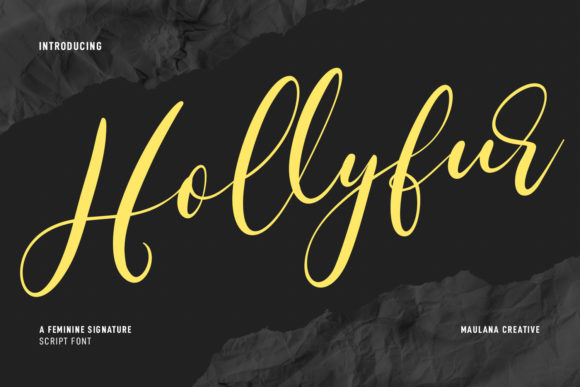
Choosing the right font for a project can feel like selecting the perfect accessory for an outfit—subtle, but essential. When redesigning a lifestyle blog header, I found myself drawn to Hollyfur Script, a cursive, beautiful, and feminine script font that adds a touch of grace and personality to any design. Its high contrast strokes and playful alternates make it ideal for creating visual interest in editorial layouts.
The Visual Character of Hollyfur Script
Hollyfur Script carries a distinct rhythm, with its flowing lines and elegant curves that evoke a sense of softness and sophistication. The font’s character is both fun and refined, offering a balance between whimsy and professionalism. Its ligatures and alternates provide subtle variations that add depth without overwhelming the reader. This makes it particularly well-suited for titles, headers, and decorative elements where a personal touch is desired.
Real-World Editorial Applications
In a recent project, I used Hollyfur Script for a recipe ebook title, where its delicate style complemented the warm, inviting tone of the content. It also worked beautifully in a wedding guide, where it brought a romantic flair to section headings and pull quotes. For a printable planner, the font added a handwritten charm that made the pages feel more personal and engaging.
When paired with a clean sans serif font for body text, Hollyfur Script created a strong visual hierarchy, drawing attention to key sections while maintaining readability. This pairing is especially effective in newsletters, where a mix of bold headers and easy-to-read paragraphs helps guide the reader through the content.
Readability and Practical Considerations
While Hollyfur Script excels as a display font, it’s important to consider its readability in different formats. On screens, especially smaller devices, the intricate details of the script may not render as clearly, making it less ideal for long-form content. In print, however, the font shines, offering a polished look that enhances the overall aesthetic of a publication.
For digital materials like PDFs or social media graphics, using Hollyfur Script in larger sizes ensures clarity. It works best for headlines, logos, and short phrases rather than dense blocks of text. For body copy, a more traditional serif or sans serif font would be more appropriate, allowing the script font to serve as a focal point without compromising legibility.
Designing with Hollyfur Script
When working on a digital magazine layout, I experimented with Hollyfur Script for cover text and chapter openers. The font’s expressive nature helped establish a consistent brand identity, reinforcing the publication’s editorial mood. It also served as a great accent for callout boxes and featured sections, adding a layer of visual storytelling to the content.
For a coaching workbook, the font was used sparingly to highlight key takeaways and motivational quotes. Its feminine yet professional appearance aligned well with the target audience, making the material feel both approachable and authoritative.
Font Pairing and Style Options
Pairing Hollyfur Script with a complementary typeface can elevate the entire design. A classic serif font like Georgia or Garamond provides a solid foundation for body text, while a modern sans serif like Lato or Open Sans offers a clean contrast for captions and navigation elements. These pairings help maintain a balanced and cohesive look across different design elements.
Before integrating Hollyfur Script into a project, it’s wise to review the available styles, weights, and multilingual support. Checking the file formats and commercial licensing ensures that the font can be used effectively in ebooks, templates, or client projects without legal complications.
Whether you're designing a lifestyle blog, a recipe ebook, or a creative newsletter, Hollyfur Script offers a unique blend of elegance and versatility. Its ability to enhance visual storytelling while maintaining a clear editorial structure makes it a valuable addition to any designer’s toolkit.